The Brutal Truth About Agentic AI and Integration Debt
The agentic enterprise looks neat on stage. Inside real organisations, it’s messier. Here’s why integration debt, interface collapse, and “agentic debt” will define who wins in 2026.

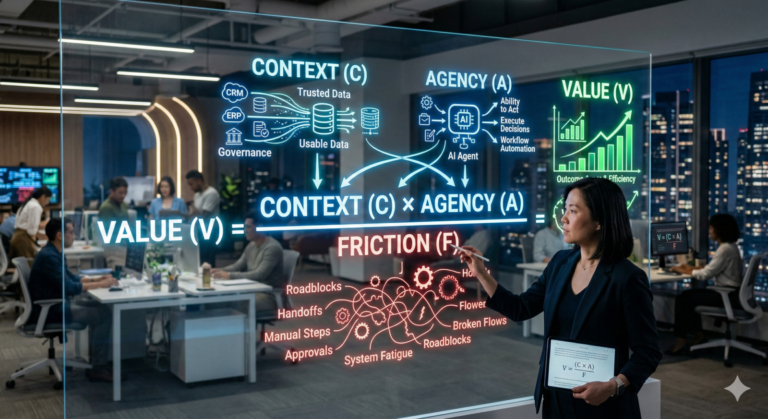
The agentic enterprise looks neat on stage. Inside real organisations, it’s messier. Here’s why integration debt, interface collapse, and “agentic debt” will define who wins in 2026.

What my son’s question about my beard reminded me about first principles and bad process Yesterday my son asked me a question while I was brushing my teeth. “Dad, why is your beard only down there? Why don’t you have hair around your eyes or on your forehead?” I opened my mouth to answer. And…
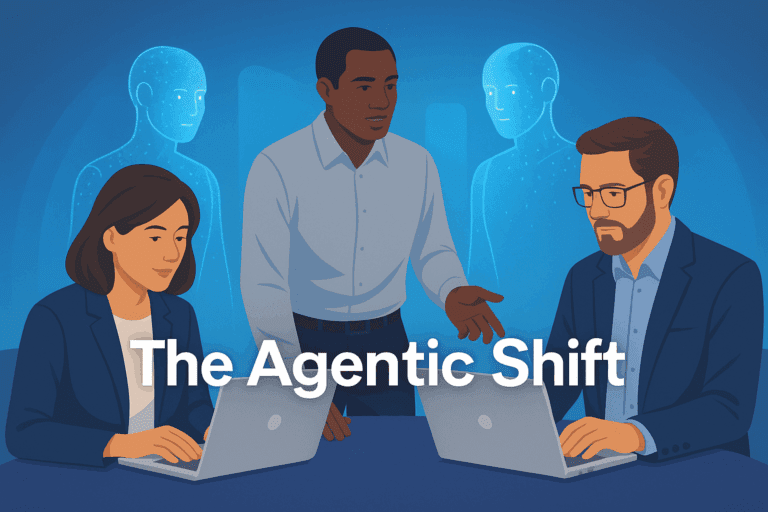
Introduction Salesforce delivery has entered a new era.Not through a flashy demo, but through a structural shift: teams are now being measured by outcomes, not outputs. The catalyst is agentic AI — systems that can plan, act, and coordinate toward a goal. And Salesforce’s launch of Agentforce Vibes has made that shift impossible to ignore….
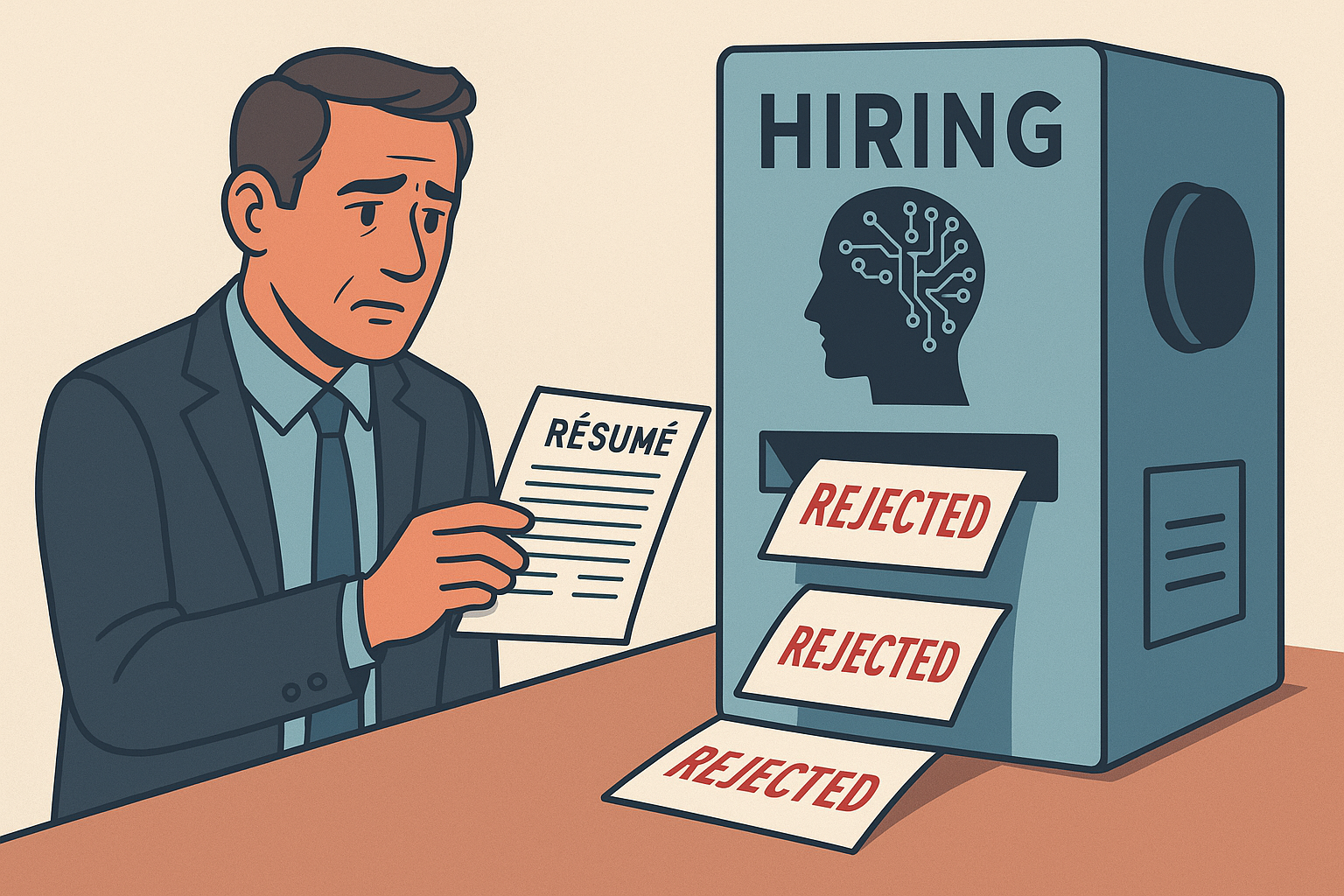
Ageism is the one bias none of us can avoid. It shows up in restructures, where experience is traded out for cost savings. Now it’s being automated, with AI quietly rejecting older candidates before a human even sees their CV. The irony is that every leader applauding this ‘efficiency’ will one day face the same system themselves.
☕🐶 + 🧩 = Clarity.
Most mornings I start with coffee, my dogs, and a puzzle. My mum, in her late seventies, ends her day with Sudoku. My dad was the crossword man, the full Times crossword, day in and day out. I never asked him to teach me, and that’s a regret.
Different puzzles, different times, but the intent was the same for all of us: a way to pause, focus, and bring clarity to the noise of life.
Maybe that’s why sales and consulting feel so natural to me. At their core, they’re puzzles with higher stakes: structured challenges, incomplete information, and the satisfaction of seeing the solution finally click into place.
If I’ve inherited even a fraction of my parents’ puzzle-solving discipline, I’ll take it.
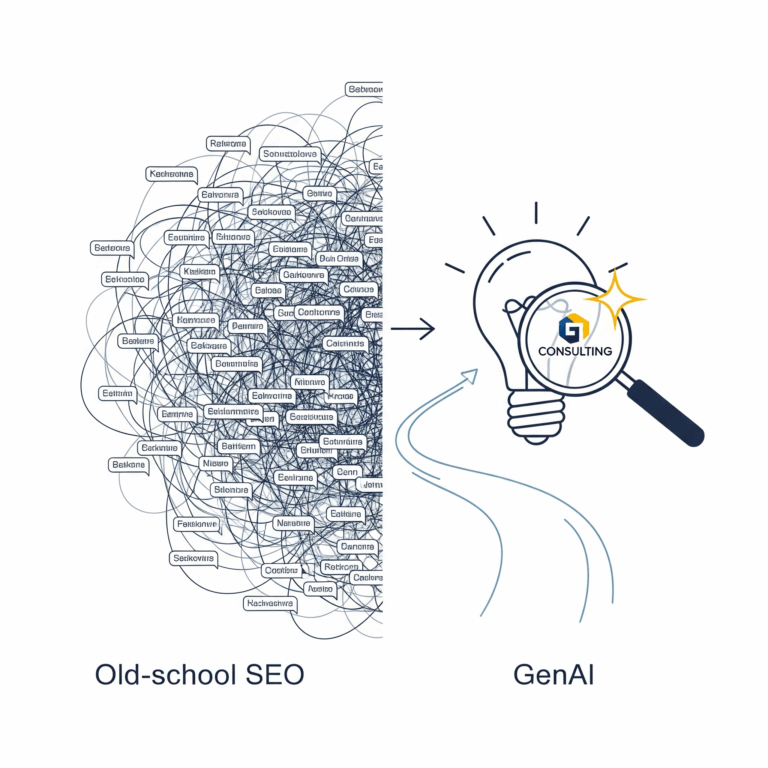
💡 GenAI has changed how people find answers. For small businesses, that’s a huge opportunity. You don’t need a million-dollar SEO budget, you need sharp thinking, clear writing, and the courage to answer questions better than anyone else. Even my own blog, with zero inbound links, is picking up organic traffic because AI tools surface useful content. If you find something valuable here, I’d be grateful if you shared or linked it, not just for SEO points, but as a personal favour. The more these ideas travel, the more they show up where people are really looking: inside AI answers.

During COVID, I joined a company without ever stepping into an office. I got the work done, but I never truly felt part of the team. Later, at Salesforce, I saw how a quick chat in the barista queue or an overheard problem-solving moment could build connection in ways formal meetings never could. The research agrees: the best results come from intentional connection, balanced with time apart for focus and recovery.

Monster wasn’t just another job board. I found one of my early roles there and later used their hiring plans to bring Sales Executives to Bermuda. Back then, they were the dominant force, with the reach to pull talent across oceans.
Fast forward to 2025, and Monster has filed for bankruptcy. No drama. No spectacular implosion. Just a slow fade.
That quiet fade should terrify every business and every career. Because complacency kills.
For companies, it means innovate or fade. Build ecosystems, rethink your models, embrace AI. For individuals, it means keep learning, stay curious, adopt new tools.
Standing still is what Monster did. And we’ve just seen how that ends.

Most mornings, I’m the first one up. I feed the dogs, make myself a coffee, and sit down for a few quiet minutes before the day kicks off. Elsie’s, our Golden Retriever, already curled up on the sofa waiting for me, pawing at my hand if I stop stroking her. Jock, the Staffy, jumps up…
How did anyone used to do it? Five days a week in the office.School drop-offs. Dog walks. Hour-long commutes.Dinner on the table, footy training, homework supervision, laundry, groceries, deliveries, tradies, life admin… all somehow done before falling asleep in front of the 9:30 news. And now some leaders want us to “get back” to that?…