The Most Powerful Question in an AI World
What my son’s question about my beard reminded me about first principles and bad process
Yesterday my son asked me a question while I was brushing my teeth.
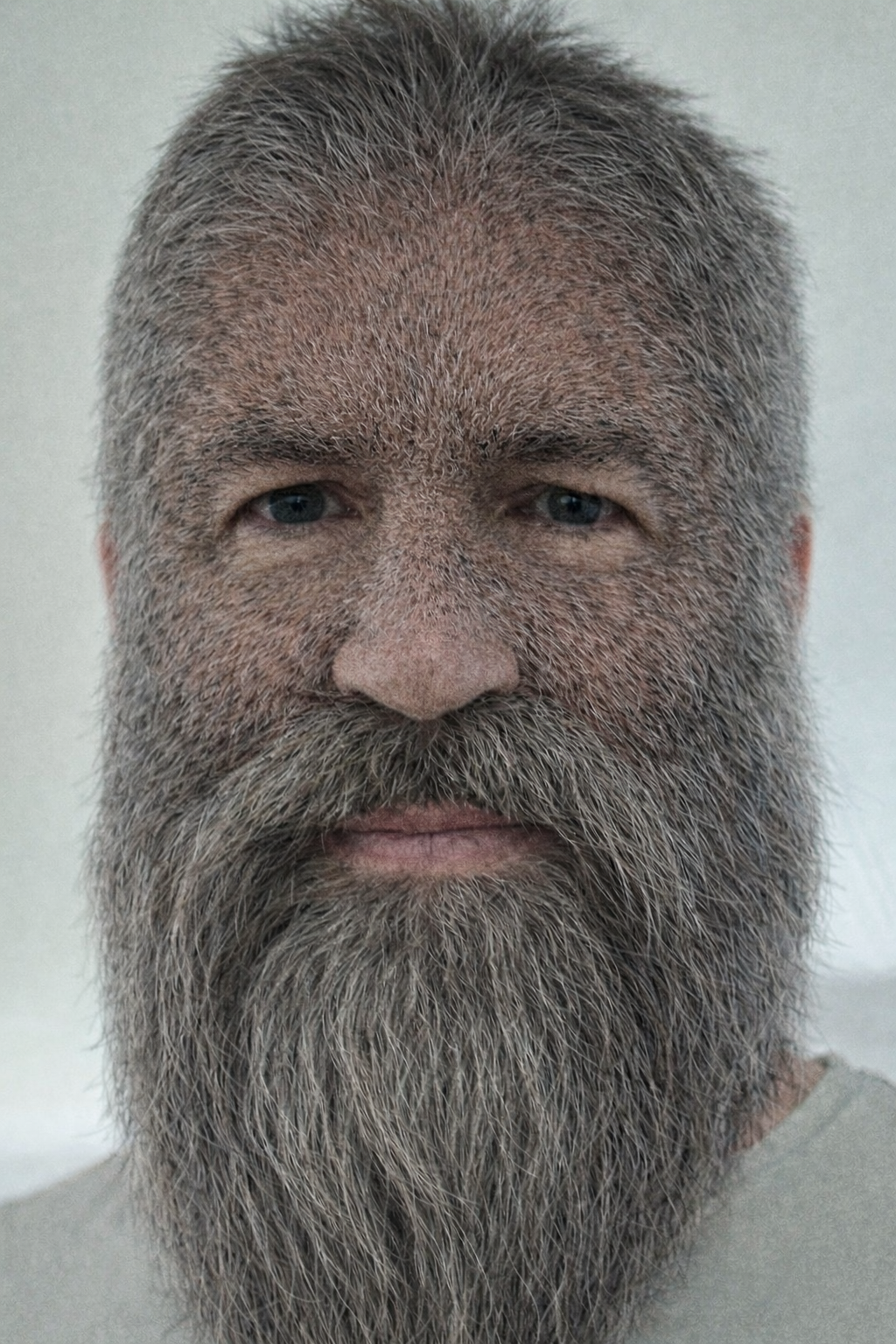
“Dad, why is your beard only down there? Why don’t you have hair around your eyes or on your forehead?”
I opened my mouth to answer.
And then realised…I had absolutely no idea.
I’ve had a beard for years. I trim it. Shave it. Sometimes let it grow long, sometimes keep it short. But I had never once asked why it only grows on the lower half of my face.
I had just accepted it as normal. Which, is how most adults move through most of life.
A six-year-old looks at the world and sees mysteries. An adult looks at the same world and sees “the way things are”.
That gap is where most innovation quietly disappears.
The useful trap of adulthood
We stop asking basic questions because:
- We assume someone else has already worked it out
- We don’t want to look silly
- We are busy
- We confuse familiarity with understanding
This is helpful. If we questioned everything all day, nothing would get done.
Assumptions let us function. They also quietly lock in processes that stopped making sense years ago.
AI is brutally literal
AI doesn’t question intent. It follows instructions.
If you feed it a messy process, it will execute that messy process perfectly, at scale, very quickly. Which, let’s be honest, is not progress. That is just efficiency applied to nonsense.
That’s when you realise the real problem isn’t automation. It’s the fact nobody has stopped to ask why the process exists in the first place.
You see this everywhere:
- Reports nobody reads, but everyone still produces
- Approval steps designed for constraints that no longer exist
- Data copied between systems because “that’s how we’ve always done it”
- Meetings whose original purpose has long been forgotten
AI is not just automating work. It is exposing work that should not be there at all.
The real question shouldn’t be:
How do we automate this?
Instead, we should ask:
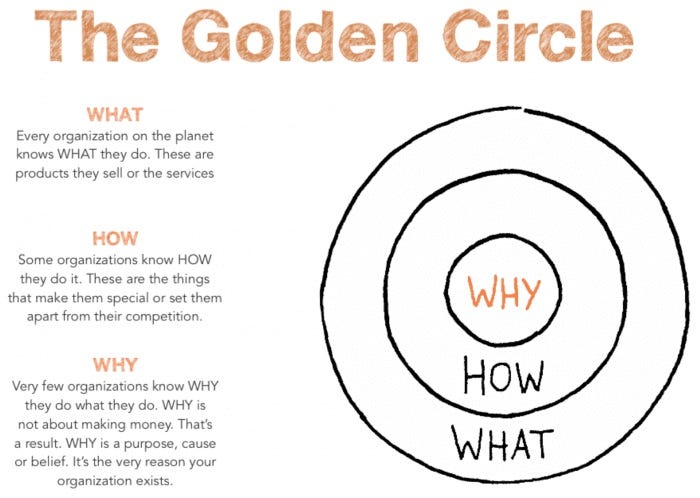
Why are we doing this in the first place?
That is a six-year-old question.
The advantage adults have, if we use it
“Think like a child” is nice advice. It is also incomplete. Children have curiosity without context. Adults have context without curiosity.
Experience without curiosity becomes rigidity. Curiosity without experience becomes chaos. The advantage, especially in business, is combining the two.
That’s where first-principles thinking lives.
Find your “forehead beard”
This week, look for one thing in your work that exists purely because nobody has questioned it.
A report.
A step.
A rule.
A meeting.
Something that feels completely normal until you pause and ask:
Why is this here at all?
That question is where the real work starts.
So why don’t we have hair there?
Never one to let a question remain unanswered, I had to look it up. There is actually a very good reason.
Beard hair grows in response to testosterone after puberty. The follicles on the lower part of the face are genetically programmed to respond to those hormones.
The follicles on the forehead and around the eyes are not.
Hair there would interfere with vision, sweating, temperature regulation, and facial expression. Evolution favoured clear sight over a fully furred face.
So, what looks random is in fact deliberate design.
Which is a nice reminder. Sometimes things are “the way they are” for a very good reason.
But you only find that out after you ask the question.
Just like a six-year-old would.