Engineering: Between the Equations and the Impact
When I finished school with strong results in maths and physics, I was well-placed to become an engineer. I loved solving problems, thinking in systems, and teasing apart complexity. But someone (it may have been my maths teacher) told me, “you’d be bored in engineering.” At the time, I believed them.
And it wasn’t just one person advising me. James Dyson once acknowledged the perception gap: “Engineering… is considered to be rather boring and irrelevant, yet neither of those is true.”
Engineering had a bad rap. People said it was dull, repetitive, uninspiring. So I took the ‘logical’ next step: I studied Pure Mathematics, diving deep into theoretical models and abstract concepts.
But something didn’t click.
It was elegant, but distant. I couldn’t see the impact. There was no sense of what all that precision was building toward.
So I pivoted.
I left behind the equations and finished my degree in Sports Psychology, drawn to the human side of performance and success. I wanted to understand what made people thrive under pressure, how teams functioned, and what separated potential from progress.
That blend, systems thinking and human insight, has shaped my entire career.
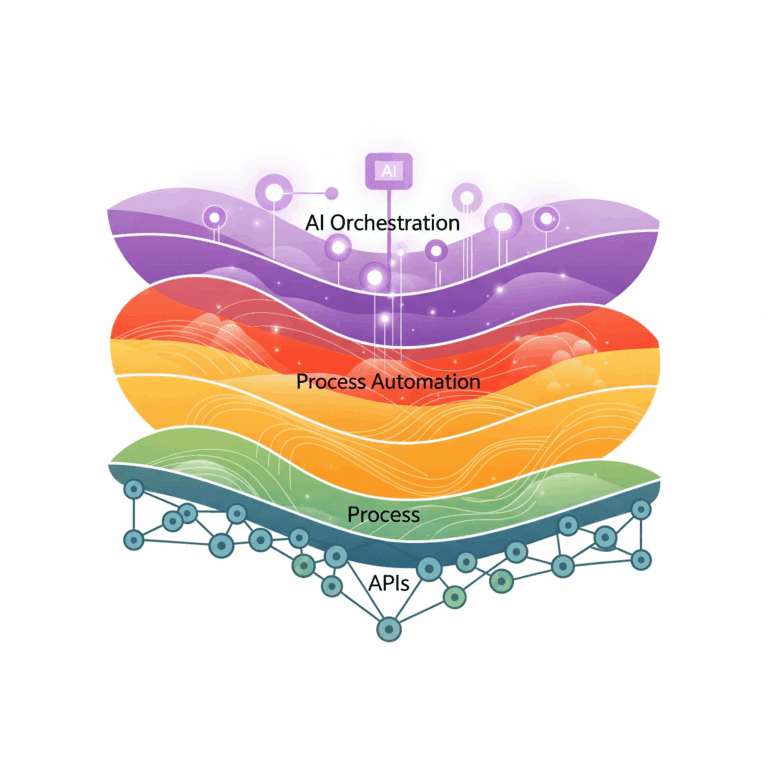
Today, I work in tech, integration, AI orchestration, and consulting. I help organisations solve business problems using smart systems and emerging technology to deliver real, measurable outcomes.
And when I read this AFR article on how climate change has ushered in the “Age of the Engineer”, I couldn’t help but smile.
If engineering ever was boring, it isn’t now. It’s shaping everything that matters.
A Circle Unbroken
Funnily enough, I’ve ended up surrounded by engineers. At university, many of my closest friends were in engineering; I think we recognised the inner geek in each other. As I grew up, my family expanded to include more engineers, each doing incredible things that redefined my understanding of the profession.
My friend Jonathan helps make McLaren Grand Prix cars some of the most precise and performance-optimised machines on the planet, literally making McLarens faster. My friend Bob was instrumental in creating the first 3D-printed car, pushing the boundaries of what’s possible in manufacturing. Meanwhile, Andy runs marketing for Prodrive, a company renowned for designing, building, and racing championship-winning cars, showcasing engineering excellence applied across diverse, high-stakes fields like aerospace and defence.
Closer to home, my brother-in-law Theuns leads the maintenance and asset reliability strategy at a massive copper mine in Zambia, optimising plant equipment, improving safety, reducing downtime, and even helping his teams grow into leaders. That’s engineering as culture-building, not just system maintenance. My youngest brother-in-law, Michael, manages complex Control & Instrumentation projects at the Mototolo Complex in South Africa, from opportunity registration to handover, highlighting engineering’s critical role in industrial transformation, blending people and technology for successful delivery.
And then there’s Charlie.
Charlie, a great mate and former housemate, now leads teams at Intuitive, a robotics company. He recently said something that stuck with me:
“Our current focus is enabling physicians to help diagnose lung cancer.”
That’s engineering, AI, and healthcare coming together to change lives, not in theory, but in the operating room. It’s a reminder that modern engineers aren’t just working with metal and data. They’re working with meaning.
These are outcomes you can see and feel. They demonstrate how engineers are at the confluence of innovation, human progress, and real-world impact, going far beyond just “maths, metal, and machines.” That’s what makes it all click, and it sets the stage for one of the most significant challenges humanity has ever faced.
Climate Change Has Changed the Game
As the AFR article points out, this era of diverse engineering problem-solving truly comes to the forefront with climate change, placing engineers squarely on the frontline of Australia’s response to climate volatility. Their scope has widened. It’s not just about blueprints and bridges anymore. It’s about designing cities that can withstand floods, buildings that cool themselves naturally, and materials that adapt to heat and wind.
The infrastructure of the future isn’t just built. It’s planned, simulated, and stress-tested against the unpredictable.
The advice I once received reflected a narrow view of engineering. Back then, it was seen as slow, repetitive, and overly specialised. But today, engineering is fast-paced, cross-disciplinary, and deeply collaborative. It’s where design thinking meets sustainability, and where complexity becomes a catalyst for innovation.
AI: The Engineer’s Edge
In my current role, I spend a lot of time talking about AI and intelligent agents. And increasingly, engineering is where these technologies are being applied in the most meaningful ways.
- Digital twins simulate how infrastructure will perform under extreme climate conditions.
- Generative AI helps design more efficient buildings and resilient urban layouts.
- AI tutors accelerate upskilling in climate science and systems modelling.
- Autonomous agents manage real-time environments like energy grids and stormwater systems.
These tools aren’t theoretical, they’re being deployed today by engineers working in disaster planning, energy efficiency, and precision medicine.
Australia has a shortage of engineering talent. But AI isn’t here to replace engineers. It exists to amplify their potential, giving them more creativity, more speed, and better data to work with.
Supporting Engineers from the Digital Frontline
By not becoming an engineer, I now find myself helping them thrive.
In tech, consulting, and digital transformation, we build the platforms, automations, and AI frameworks that engineers use to do their best work.
- We connect siloed systems to give them real-time insights.
- We strip away manual workflows so they can focus on innovation.
- We translate business goals into delivery strategies that engineering teams can execute.
If engineers are laying the foundations of the future, we are making sure the right tools are on hand, the noise is cleared, and the value is aligned.
It’s a team sport. And one I’m proud to play a part in.
Engineering Needs a New Brand
We don’t need to redefine engineering. But we do need to rebrand it. Engineering hasn’t failed to evolve. We’ve just failed to tell its story well. The world sees code and structure. It doesn’t always see care, complexity, or craft.
Engineering doesn’t need a rebrand because it’s outdated. It needs a rebrand because it’s outgrown its stereotype. The future won’t be built by lone geniuses. It’ll be built by creative collaborators who speak both code and climate.
It’s no longer just about maths, metal, and machines. It’s about:
- Systems thinking that meets sustainability
- Data that meets design
- AI that meets infrastructure
- Curiosity that meets climate action
If I was 17 again, I wouldn’t be scared of being bored. I’d be excited about the role engineering now plays in solving global challenges. I’d be drawn to the possibilities, not the stereotypes.
Because today, engineering is about building a world that works better. And that’s not just smart. That’s meaningful.
A Call to Future Engineers (And Those Who Thought They Weren’t)
To the person who told me I’d be bored, thank you. You weren’t entirely wrong. In the old model of engineering, I might have been. But that’s not what engineering is today.
And to anyone who’s ever been told engineering isn’t for them, maybe because they’re too creative, too curious, or too people-focused, it’s time to take another look.
The golden age of engineering won’t just be built on STEM skills. It will be built on empathy, adaptability, and the willingness to ask better questions. That’s something we can all be part of.
“Engineering isn’t a degree. It’s a mindset, and more of us belong in it than we think.”